2026 Melbourne Self-Drive Guide: In-Depth Look at Car Rentals, Traffic Laws, and Itineraries
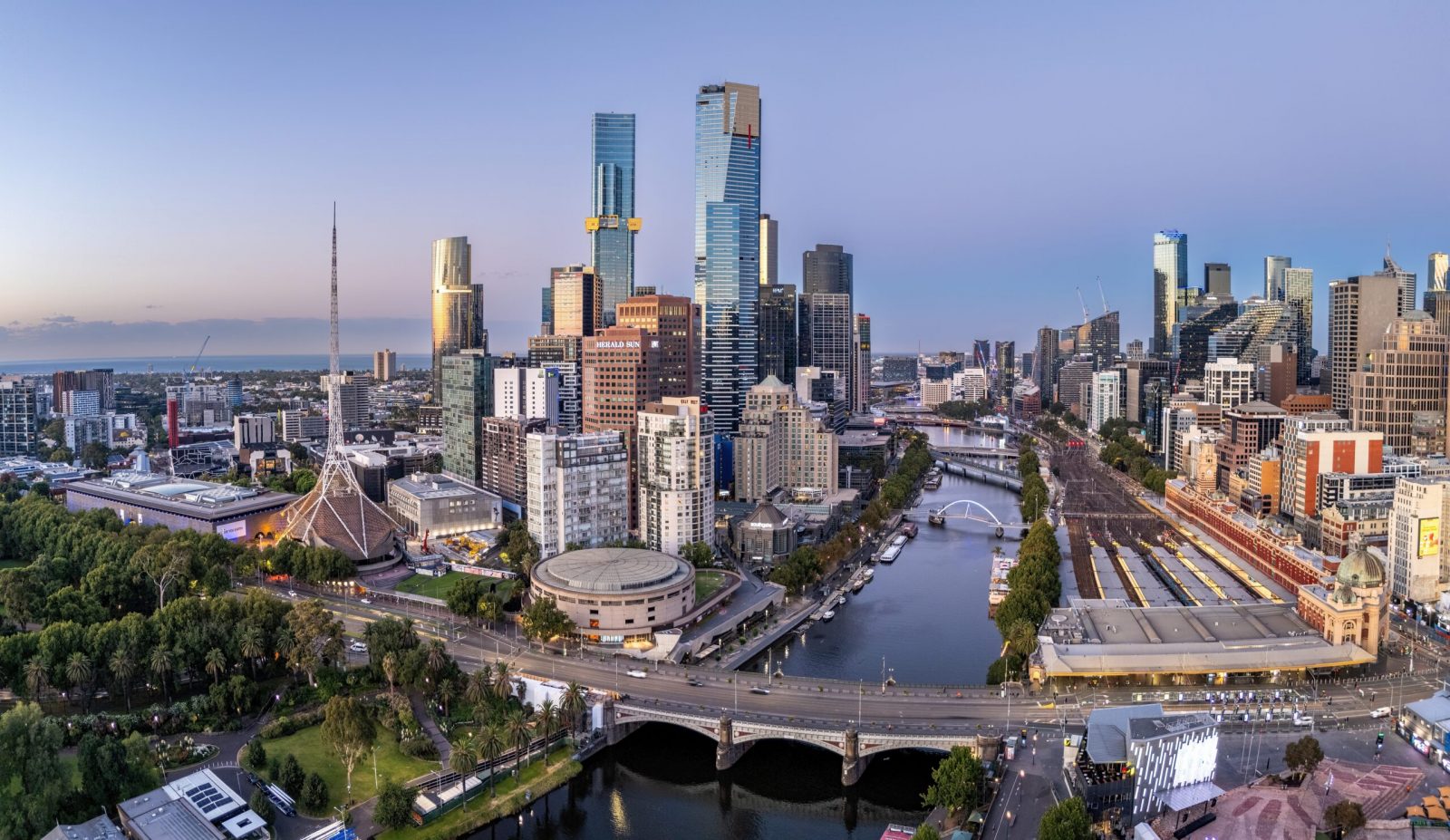
Melbourne is not only Australia’s cultural and culinary capital, but it’s also a gateway to diverse attractions, from the stunning Great Ocean Road to the vineyards of the Yarra Valley. Opting for a self-drive adventure is arguably the most flexible and immersive way to explore these gems. This article provides the latest information on car rentals, a guide to local traffic laws, and a carefully curated itinerary to help you plan your perfect Melbourne road trip.
Essential Documents for Renting a Car in Melbourne
- Valid Driver’s License and International Driving Permit
- Passport
- Rental Car Confirmation
- Credit card used for the booking (must be in the driver’s name)
Recommended Car Rental Companies and Price Guide
In 2025, the main car rental companies at Melbourne International Airport and in the city center include major international brands like Hertz, Avis, Budget, and Europcar, as well as local brands such as Redspot and East Coast Car Rentals. Prices typically range from AU$47−65 per day, with weekend and peak season rates potentially rising to AU$70-100.
Pro Tip: Booking through an Australian car rental comparison website like DriveNow can get you a “price guarantee” service.
Understanding Car Rental Insurance: Basic CDW vs. Zero Excess Almost all rental quotes include a basic Collision Damage Waiver (CDW), but “waiver” does not mean you’re free of all liability. It simply caps your potential financial responsibility at an “excess” amount, typically between AU$2,000 and AU$5,000. For example, if you scratch the rental car and the repair cost is AU$4,500, you are still liable for the full amount even with CDW. It′s also crucial to note that some CDW policies may not cover specific types of damage, such as to the windshield, tires, or undercarriage. Therefore, Zero Excess insurance, which reduces your liability to AU$0, is highly recommended for peace of mind. While it adds an extra AU$40−75 per day, it can save you from significant financial stress.
Pro Tip: It′s also wise to purchase roadside assistance insurance. For about AU$10 per day, it covers practical services like battery boosts, tire changes, towing, lost keys, and emergency fuel.
Key Traffic Regulations for Driving in Melbourne
- Drive on the Left In Australia
All vehicles drive on the left side of the road. Pay extra attention when turning, navigating roundabouts, and overtaking to avoid driving against traffic. - Strictly Adhere to Speed Limits
- City speed limit: Typically 60 km/h
- School zones: Strictly 40 km/h during posted hours
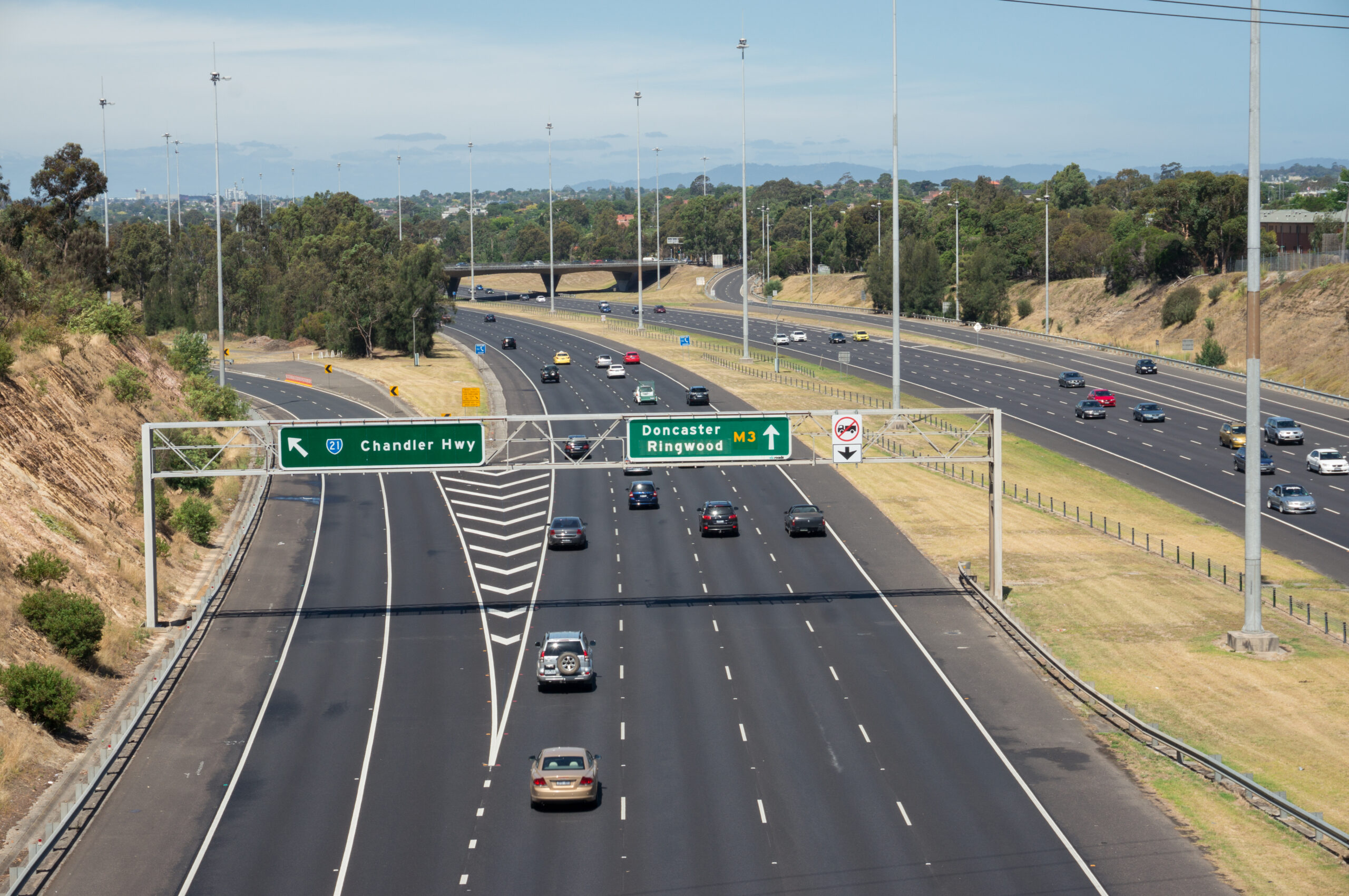
- Highways: Speed limits range from 80-110 km/h
- Roundabout Rules
When entering a roundabout, you must give way to all traffic already in the roundabout and to vehicles on your right. The inner lane is for turning left or going straight, while the outer lane is for turning right. - STOP Signs Mean a Full Stop
When you see a STOP sign, you must come to a complete halt. Check your surroundings and proceed only when it is safe to do so.
- Pedestrians Have Absolute Right of Way
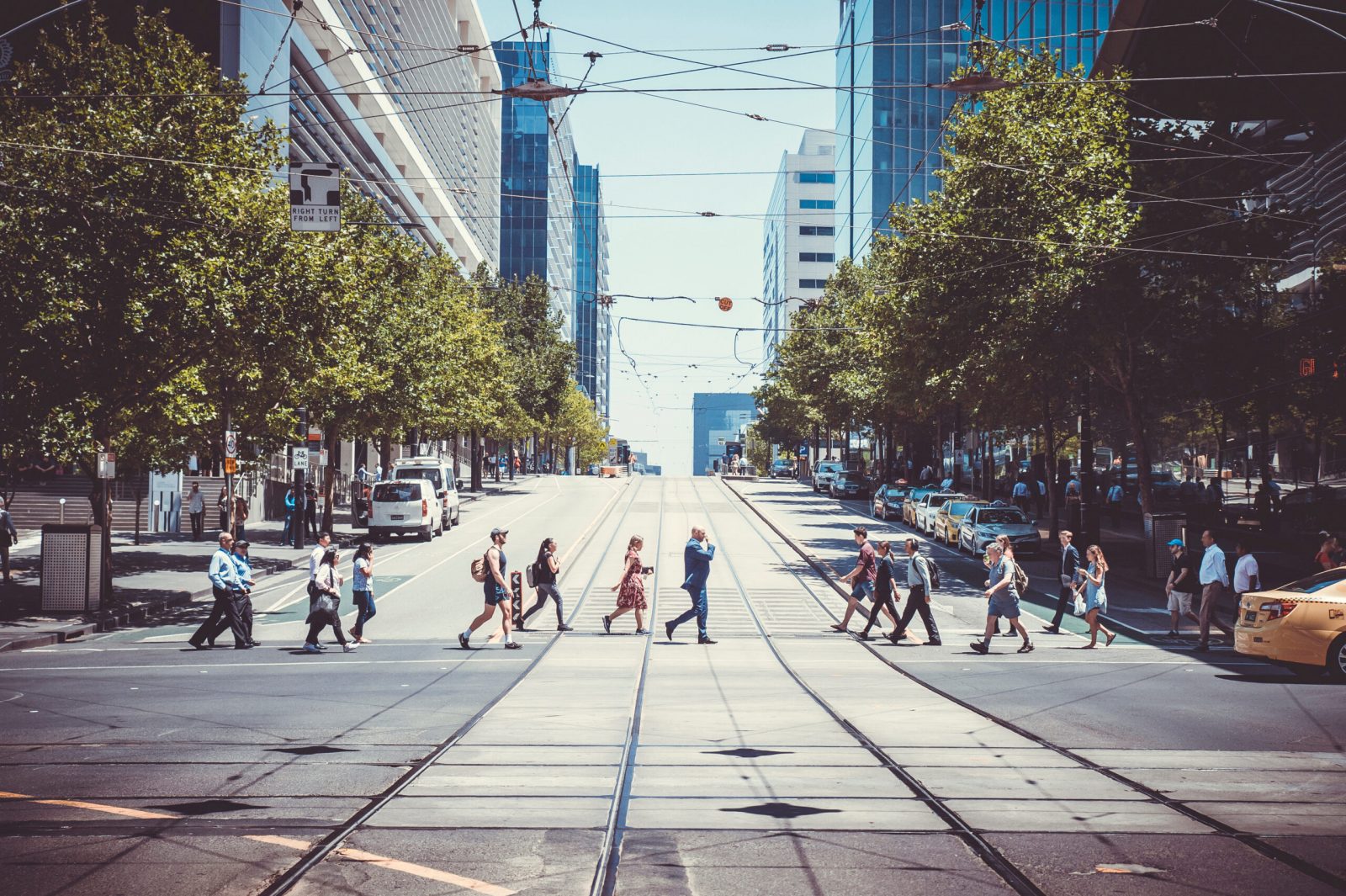
Pedestrians always have the right of way, with or without a crosswalk. You must stop completely to let them cross. Even if you have a green light for turning, you must yield to pedestrians who also have a green light; failure to do so will result in a hefty fine. - No Handheld Phone Use
Using or holding a mobile phone while driving is strictly prohibited. Only hands-free devices are allowed. Violators can be fined up to AU$1,000. - All Passengers Must Wear a Seatbelt
This is a unified rule across all Australian states. All passengers must wear a seatbelt, and children under seven must use a child seat or booster seat.
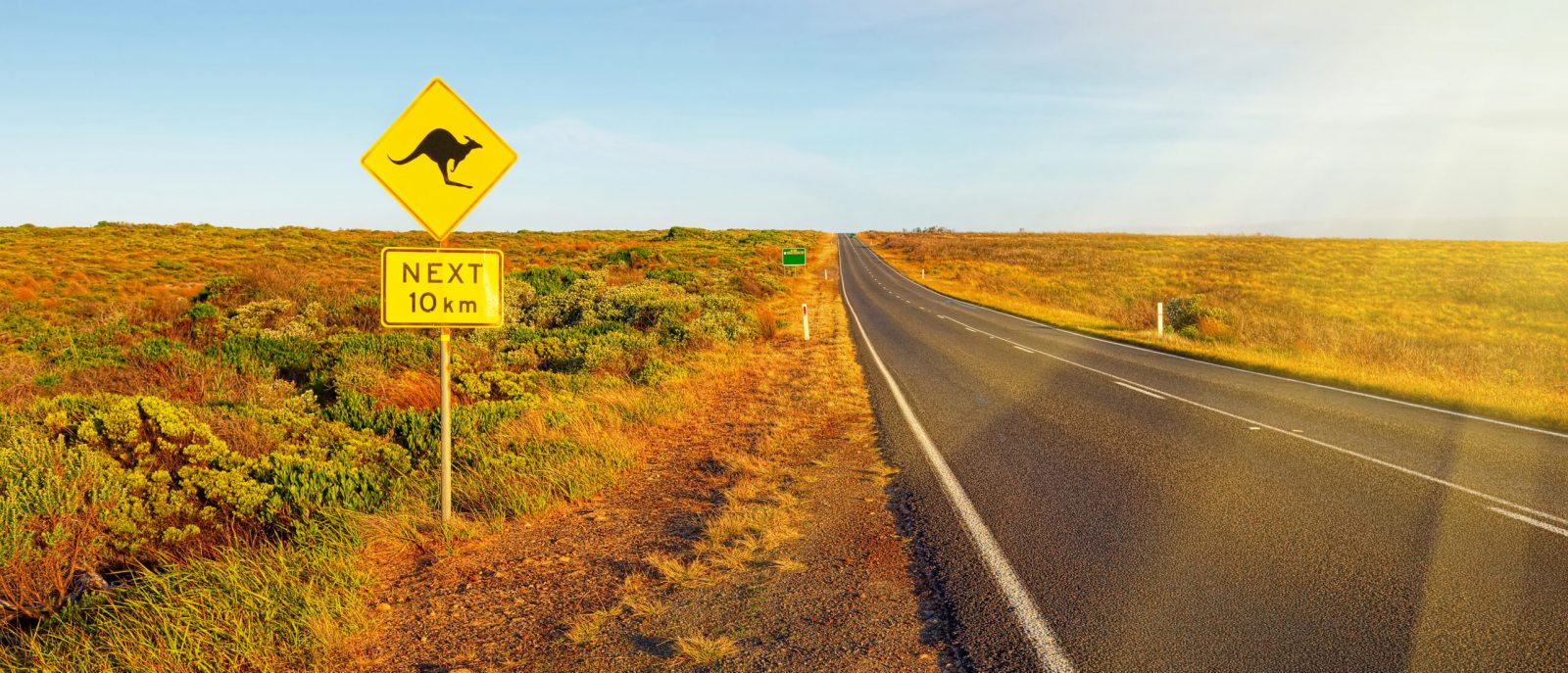
- Watch Out for Wildlife
On country roads and the Great Ocean Road, be aware of wildlife like kangaroos and koalas. When you see a wildlife warning sign, slow down and avoid sudden swerving. - The Unique Melbourne “Hook Turn”
At some intersections in the city center, vehicles turning right must first move to the far left lane and wait for the cross street’s traffic light to turn green before completing the turn. This special rule prevents obstruction of trams. - Electronic Toll Roads
Some highways in Melbourne (like CityLink) use a cashless electronic toll system. When renting a car, it’s recommended to have an E-Tag installed or pay the toll online within three days to avoid fines.
Once you’re familiar with these car rental tips and traffic laws, you’re ready to plan your itinerary! Here’s a suggested 5-day Melbourne road trip to help you explore all the popular spots.
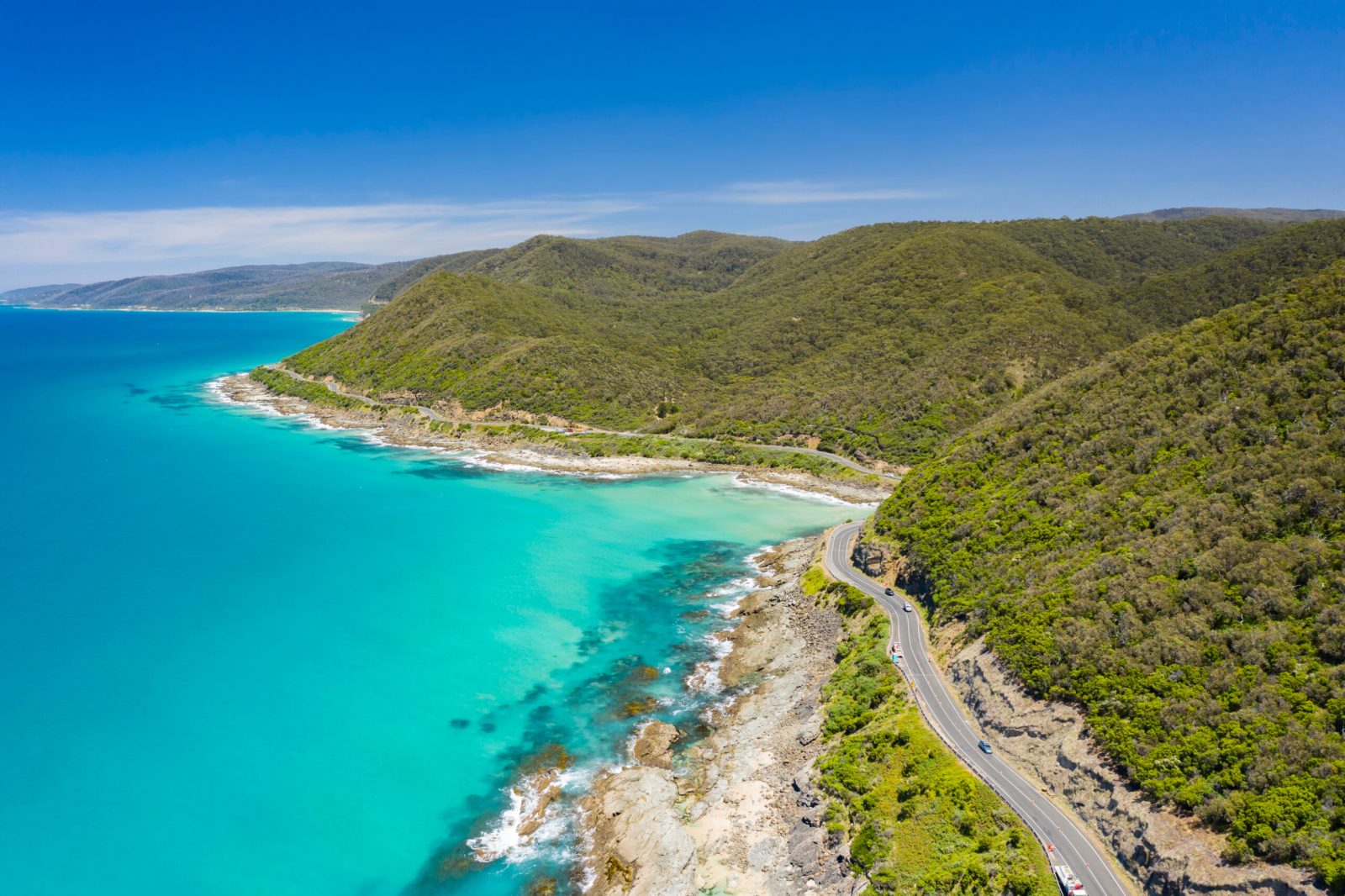
Suggested 5-Day Melbourne Self-Drive Itinerary:
Day 1: Downtown Cultural Tour
National Gallery of Victoria → Block Arcade → State Library of Victoria → Southbank for evening views
Day 2: The Great Ocean Road Begins
Melbourne → Geelong → Torquay (Surf Museum/Bells Beach) → Lorne (overnight stay)
Day 3: Great Ocean Road Highlights
Lorne → Kennett River (feed the parrots) → Twelve Apostles (arrive before sunset) → Port Campbell (overnight stay)
Day 4: Otway Rainforest & Return
Port Campbell → Otway Fly Treetop Walk → Apollo Bay (seafood lunch) → Return to Melbourne
Day 5: Yarra Valley Wineries & Sanctuary
Melbourne → Coldstream Winery → TarraWarra Estate Art Museum and Winery → Healesville Sanctuary (zoo)
Lanson Place Parliament Garden is ideally located adjacent to Melbourne’s CBD and Parliament Gardens. Its serene surroundings offer a peaceful retreat after exploring the city. From the hotel, it’s just a 10-15 minute drive to major attractions like the National Gallery of Victoria. The hotel is also conveniently situated near the main roads leading to the Great Ocean Road and Yarra Valley, making it the perfect starting point for your unforgettable road trip.